
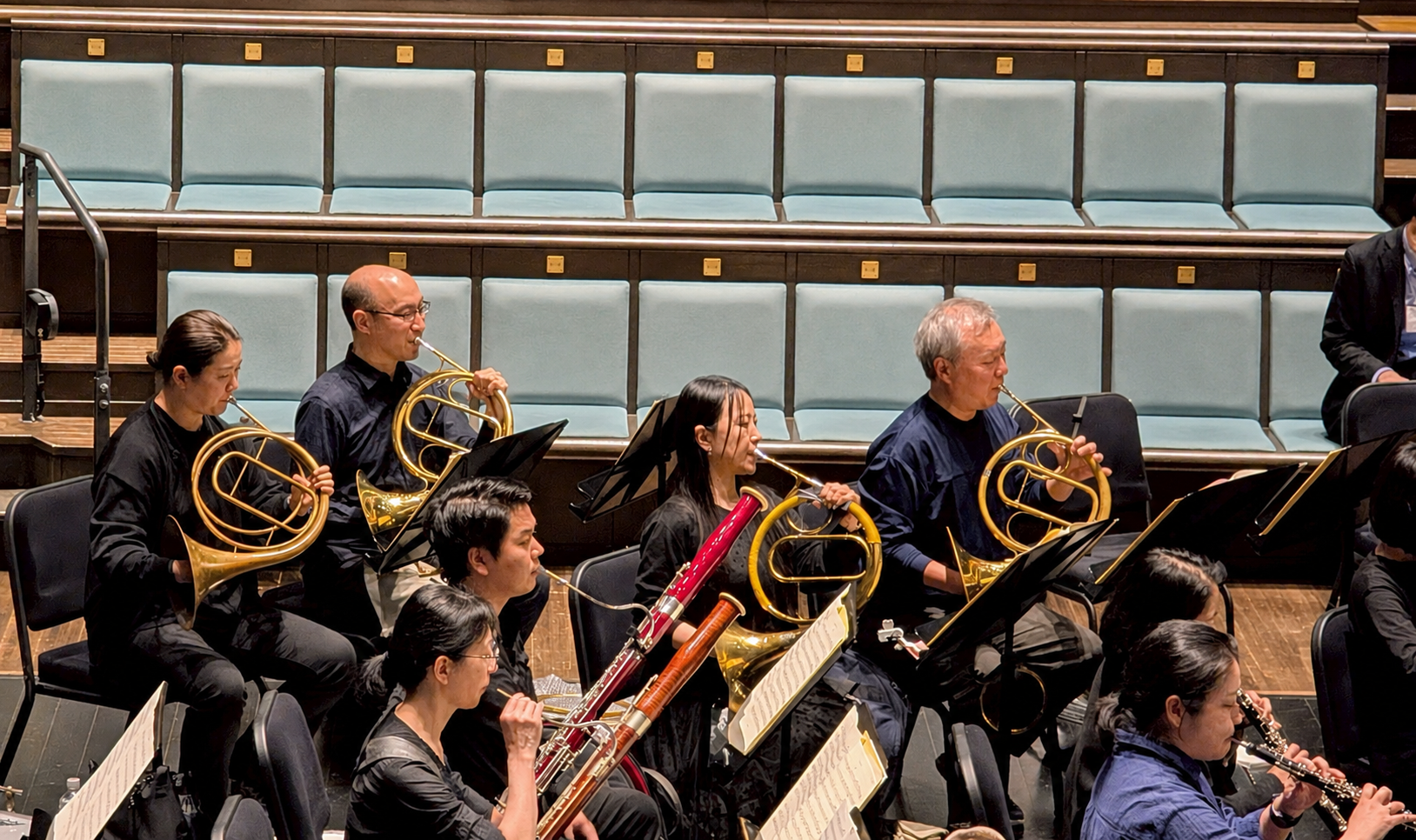
About the Programme
From 2027, the Japanese-German Philharmonic Society is launching an Orchestra Academy Programme linked to its Winter and Summer Academies. Participants perform alongside professional members of the Symphonische Akademie while receiving intensive instruction in both modern and historical performance practice.
Orchestra Academy participants receive direct coaching from professional Symphonische Akademie members on their own instrument and part, and perform in the conducting masterclass Final Concerts alongside the full professional ensemble.
Modern & Historical Performance Practice
Since its founding in 1998, the Symphonische Akademie has been committed to exploring the music from Mozart to Webern (1750–1950) — through the lens of the instruments and performance conventions of the time.
Performance on modern instruments and with modern technique — the standard approach of today's professional orchestras. Taught from the ground up.
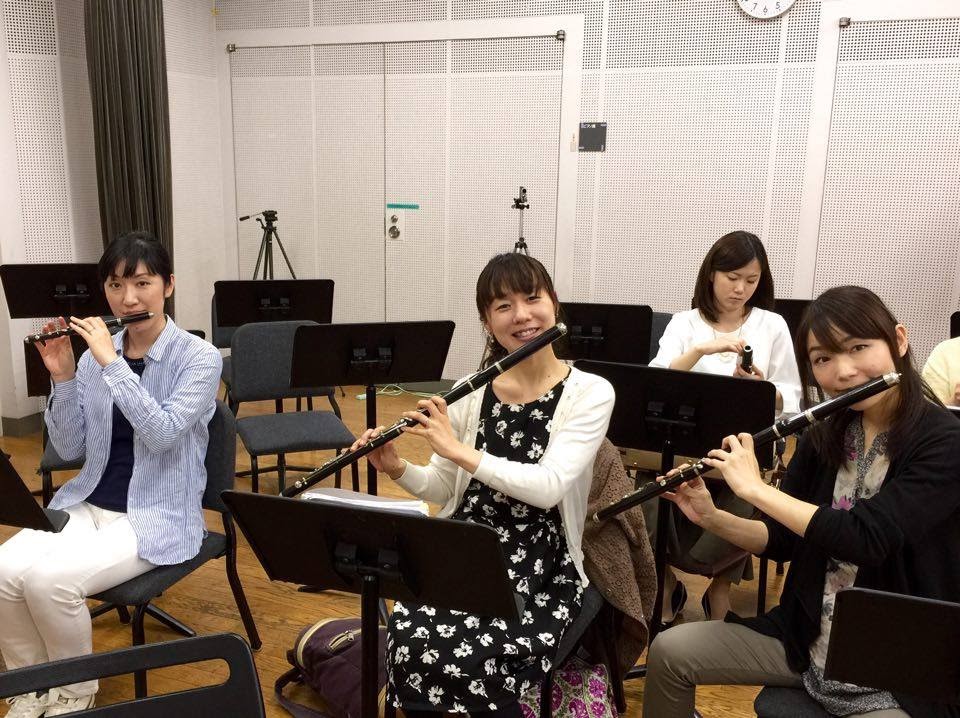
Natural horn, gut strings, Romantic-era bow technique, and 19th-century wind instruments. No prior period instrument experience required.
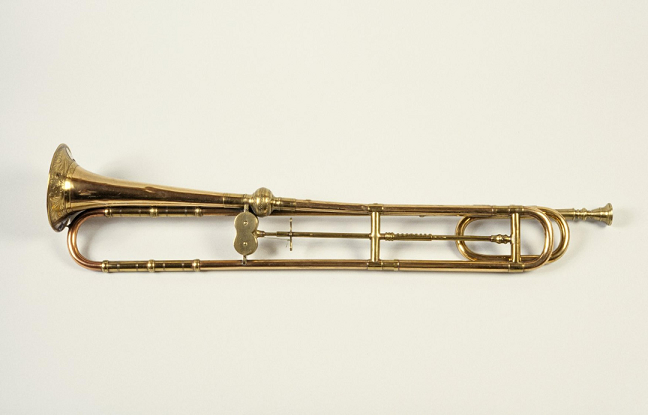
Historical Instrument Loan
The Society holds a collection of historical instruments available for loan, including natural horns, Romantic-period bows, and 19th-century wind instruments. If you are interested but do not own a period instrument, please feel free to enquire.
Repertoire — Winter Academy 2027
- Beethoven — Symphony No. 7 in A major, Op. 92
- Beethoven — Symphony No. 8 in F major, Op. 93
- Beethoven — Overture Coriolan, Op. 62
- Beethoven — Violin Concerto in D major, Op. 61
- Beethoven — Arias from Fidelio
- Beethoven — Concert aria Ah! perfido, Op. 65
Schedule (Provisional)
- Feb 11–12Sectional coaching by instrument group
- Feb 13–14Part rehearsals by section
- Feb 16–18Full orchestra rehearsals (all participants)
- Feb 19Festival Concerts (public performance)
About the Symphonische Akademie
The Symphonische Akademie of the Japanese-German Philharmonic Society was founded in 1998, initially drawing on young professionals who had trained at music universities and orchestras in Germany and Austria. The ensemble has performed with principal players from the Berlin State Orchestra, Munich Philharmonic, and Bavarian Radio Symphony Orchestra, and has given opera productions at the New National Theatre Tokyo and Saitama Arts Theater, as well as concert tours to the Munich Hercules Hall and Baden-Baden.
Eligibility
Open to instrumentalists who are studying or have studied their instrument at a professional level. A standard of music university entrance level or above is required. There are no restrictions on nationality, age, or professional status. No prior experience with period instruments or historical performance practice is required.
International applicants are warmly welcome. Coaching sessions are conducted primarily in Japanese and English.
Instruments & Places
The following instruments are provisionally open for application. Exact numbers will be announced when confirmed.
| Instrument | Places |
|---|---|
| Violin (1st & 2nd) | Up to 2 per section |
| Viola | Up to 2 |
| Cello | Up to 2 |
| Double Bass | 1 |
| Flute | Up to 2 |
| Oboe | Up to 2 |
| Clarinet | Up to 2 |
| Bassoon | Up to 2 |
| Horn | Up to 2 |
| Trumpet | Up to 2 |
| Timpani | Up to 2 |
Programme Fees
- General (Japan-based) 300 €
- Student / aged 25 or under (Japan-based) 200 €
- International participants Varies by country — please enquire
Fees do not include accommodation, meals, or travel. Details will be announced in due course.
Audition & Selection
Round 1 — Video submission
Submit a video recording of a sonata or concerto (approx. 5–10 minutes). Recordings from the past five years are acceptable, including student recitals and school performances. YouTube links are also accepted.
Round 2 — Online (shortlisted applicants)
Shortlisted applicants will be sent orchestral study excerpts in advance and asked to perform them in an online session.
How to Apply
Please use the application form below. In the subject line, write "Orchestra Academy 2027 Application". In the message, include your instrument, date of birth, musical background (schools, teachers, ensembles), and a link to a video recording if available.
If you use Gmail, Yahoo Mail, Hotmail, or Outlook, please check your spam folder if you do not receive a reply within a few days.